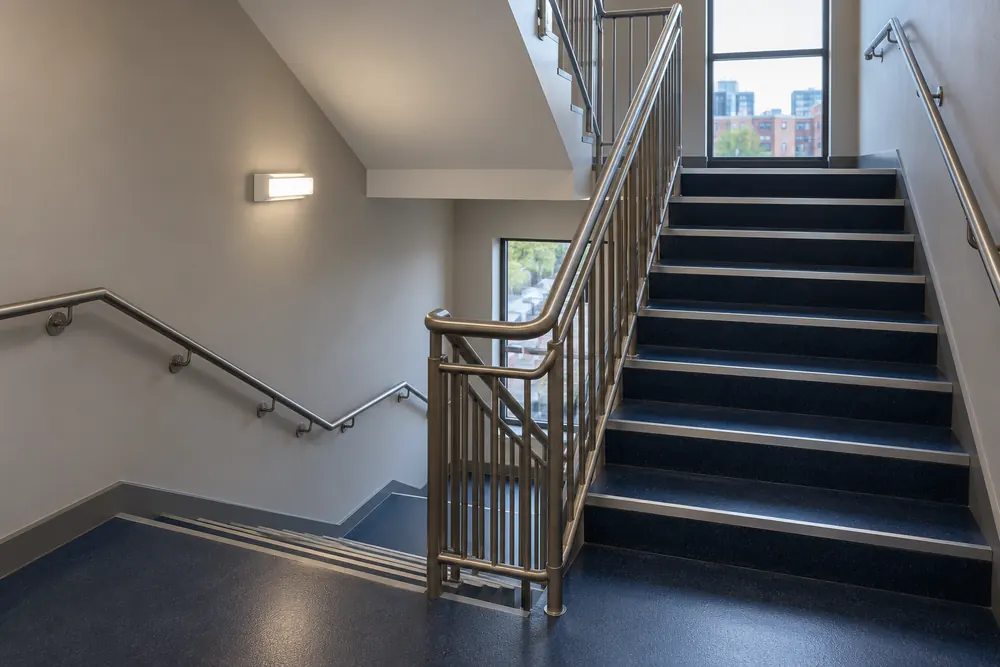
Lighting That Supports Safe Escape
Emergency escape lighting helps people find and use the escape route when the normal lighting supply fails. A system can include luminaires on stairs and corridors, illuminated signs and lighting at other relevant locations. The correct arrangement follows the building layout, risks and evacuation needs.
A lamp that works in normal conditions may not perform on its emergency supply. Testing needs to check the appropriate operating mode and, where required, duration. We welcome enquiries for existing system tests, overdue records and investigation of failed lights in commercial premises and residential common parts.
Understand The Different Checks
Short functional checks establish whether the relevant lighting operates when tested. A duration test examines whether it can remain operational for its rated emergency period. These checks answer different questions, and neither should be confused with a complete design assessment of whether the building has the right coverage.
The test programme should follow the system documentation, applicable standards and risk assessment. A competent person should explain the schedule and the arrangements needed after discharge while batteries recharge. Self-testing equipment still needs its results to be checked, recorded and acted on when a fault is reported.
The Standard And Maintenance Duties
BS 5266-1:2025 is the code of practice for emergency lighting of premises. It supports decisions about appropriate emergency lighting, while the Fire Safety Order places maintenance duties on those responsible for relevant premises. Specify the current applicable guidance when agreeing the scope of a new survey or testing programme.
Do not assume that a test certificate confirms every design feature of an older system. A maintenance visit may reveal missing coverage, altered escape routes or signs obscured by a refurbishment. Ask whether the service includes a condition review, a design survey or only the agreed operational tests.
Preparing For A Test Visit
Gather the previous test records, drawings and luminaire inventory if available. The technician needs access to the test facilities and all relevant areas, including locked stairs, plant spaces or shared corridors. Let occupiers know when the lighting will be tested and agree any restrictions before the work starts.
Duration testing needs sensible timing because discharged batteries may not immediately support another emergency period. Avoid scheduling a test without considering occupied hours and safe use of the building afterwards. Where a test cannot safely be completed, the report should record why and what alternative arrangements are required.
Fault Reports And Remedial Work
A useful record identifies the fitting, location, test performed and result. Failed batteries, damaged luminaires, defective control gear and missing signs can require different remedies. The report should distinguish a failed test from a recommendation to improve coverage, so that the next contractor understands the issue.
Agree replacement equipment and any additional works separately before they proceed. A new luminaire should suit its location and intended emergency performance, rather than simply match the visible shape of the old fitting. Record the repair and the appropriate follow-up test so that an old defect does not remain open in the logbook.
Costs And Long-Term Records
Fitting numbers, access height, system type and test duration affect the work involved. A centrally supplied system differs from individual battery units, while restricted access can complicate a straightforward inspection. Out-of-hours attendance and fault investigation should be clearly stated in the quote.
Send a fitting count or the latest inspection report with the premises details. Ask whether the quotation includes records, retesting of failed fittings and any access equipment. Keep the inventory current as the layout changes, and let the person managing fire safety know whenever lighting failures or alterations could affect an escape route.
Your Service, Step By Step
Plan Access And Timing
Identify the fittings, test facilities and safe arrangements for any battery-discharge test.
Carry Out The Agreed Tests
Check operation and the required duration within the agreed inspection scope.
Report And Follow Up
Record each result by location, agree repairs and arrange appropriate retesting.
Guidance reference: BSI standard information. The agreed scope and the building’s circumstances determine the work required.
Before You Send Your Enquiry
Include the premises location, building use and the reason for the visit. Explain any access restrictions and whether there is a previous report, maintenance record or equipment schedule available.
Work across Birmingham and nearby areas can be scoped around your premises. Your enquiry is a starting point, with the quotation and appointment arrangements confirmed before you book.
Ask about emergency lighting testing ↗